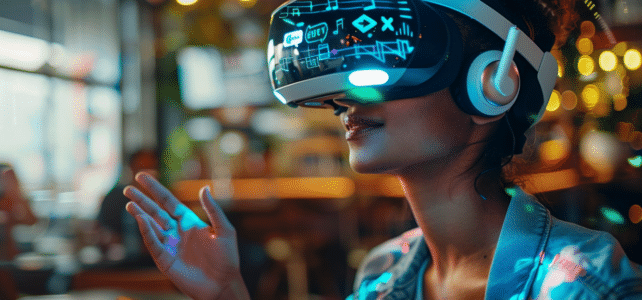
The music industry has always been a fertile ground for innovation, especially with the advent of the Internet, which has disrupted the ways music is distributed and consumed. Today, new music platforms are emerging, offering personalized and interactive listening experiences that redefine our relationship with music. These innovative services use artificial intelligence to recommend tracks, create communities around specific genres, or offer live virtual concerts. They adapt to the needs of an increasingly connected audience, eager for instant discoveries and immersive experiences.
Technological Innovations at the Heart of Music Platforms
Artificial intelligence is becoming a central pillar of music streaming platforms. It not only allows for personalized recommendations but also provides interactive experiences that go beyond simply listening to music. Take the example of AIVA, an artificial intelligence capable of generating original music. The implications for music creation are significant, paving the way for new genres and previously unexplored sound experiences.
Virtual and augmented reality enhance user experiences, transporting them far beyond traditional listening. Concerts in the metaverse, for example, revolutionize musical experiences by allowing spectators to immerse themselves in interactive live performances, free from geographical constraints. Imagine the possibilities for artists to perform in front of a global audience, in real-time, in stunning virtual settings.
The phenomenon ‘youzik’ perfectly illustrates the integration of technology into digital marketing. Platforms use advanced algorithms to target listeners with personalized ads, optimizing user engagement and, consequently, the valuation of musical content. The relationships between technology, marketing, and music have never been closer, a sign of an industry in constant flux, seeking harmony between innovation and auditory experience.

Business Models and Their Impact on the Music Industry
In a sector where business models are in perpetual evolution, music streaming platforms like Spotify, Deezer, or YouTube Music are redefining the contours of the music industry. These platforms, by their ability to attract millions of users, directly impact how music is distributed, consumed, and monetized. Consider that streaming now represents over 70% of the recorded music market in France, thus highlighting its predominant role in the revenues of artists and record labels.
Digital marketing is intrinsically intertwined with music streaming platforms. It not only promotes music but also fosters user engagement through online advertising strategies, the use of social media, and influencer marketing. This synergy between streaming platforms and digital marketing creates an ecosystem where every listen, every share, and every playlist contributes to the overall value of the musical work.
The emergence of podcasts, with over 2.2 million active shows worldwide in 2022, reflects the diversification of audio content available online. Platforms like Apple Podcasts and Audible are part of this trend, offering creators new avenues to reach an audience. The impact on the audio industry is notable: podcasts are becoming a complementary tool for musicians, labels, and businesses looking to expand their reach and capitalize on an increasingly connected audience.