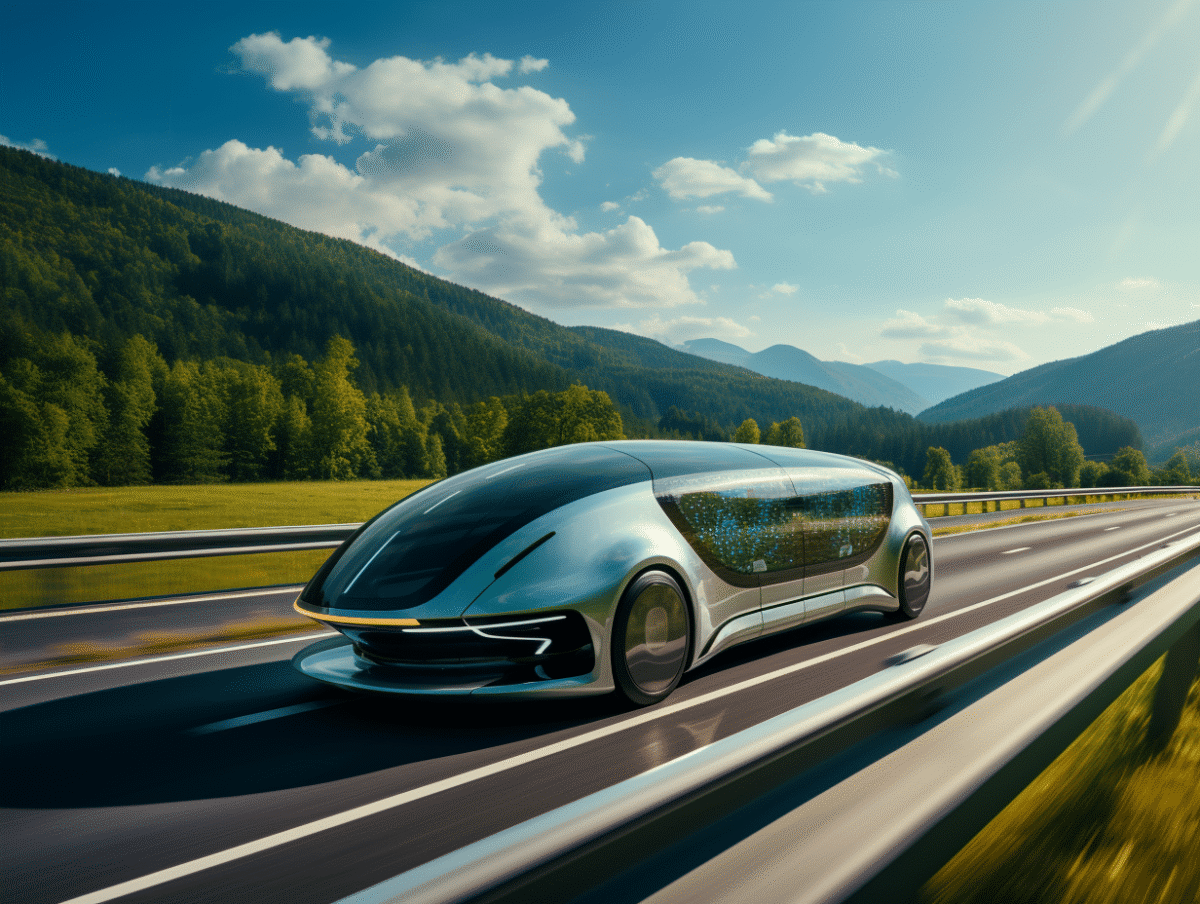
The rise of artificial intelligence technologies and advanced sensors has set the stage for the era of autonomous vehicles, promising to revolutionize the automotive world. These vehicles, capable of navigating without human intervention, could drastically reduce the number of road accidents, optimize traffic flows, and provide valuable time to passengers. Despite the technical, ethical, and legal challenges still to be overcome, manufacturers and tech giants are investing heavily in this field, anticipating a profound transformation in our modes of transportation and the very design of mobility.
The stakes of autonomous mobility
The automotive sector, in constant motion, is preparing to take a new leap with the advent of the autonomous vehicle. Beyond being a mere trend, electric and hybrid cars have already carved out a prominent place in the automotive landscape, while 100% autonomous vehicles are on the horizon, promising to disrupt our driving habits with the prospect of total delegation of the task to the onboard system. While Europe shows some caution, investors in the United States demonstrate notable enthusiasm by opening their wallets to finance this technological transition.
The widespread adoption of autonomous cars could give rise to a new model of mobility economy: car-sharing. SEBASTIAN THRUN, a prominent figure in the field, predicts a revolution in usage where owning a personal car will become obsolete, in favor of a shared, accessible, and efficient service, thus reducing costs and ecological footprints. In this emerging ecosystem, cars, like harmonious notes in a symphony of Papa Wemba, will move in rhythm and intelligence, orchestrated by advanced algorithms.
Yet, the road to autonomous mobility is paved with obstacles. The caution of European investors reflects the challenges to be addressed: infrastructure adaptation, legislation, social acceptance, and safety assurance. These issues, far from stifling innovation, actually stimulate the most daring minds, ready to shape the future of land transport. Once these barriers are lifted, it is conceivable that the horizon will clear, revealing a world where autonomous cars, in perfect harmony with their environment, will redefine the very concept of mobility.
The technological and ethical challenges of driverless cars
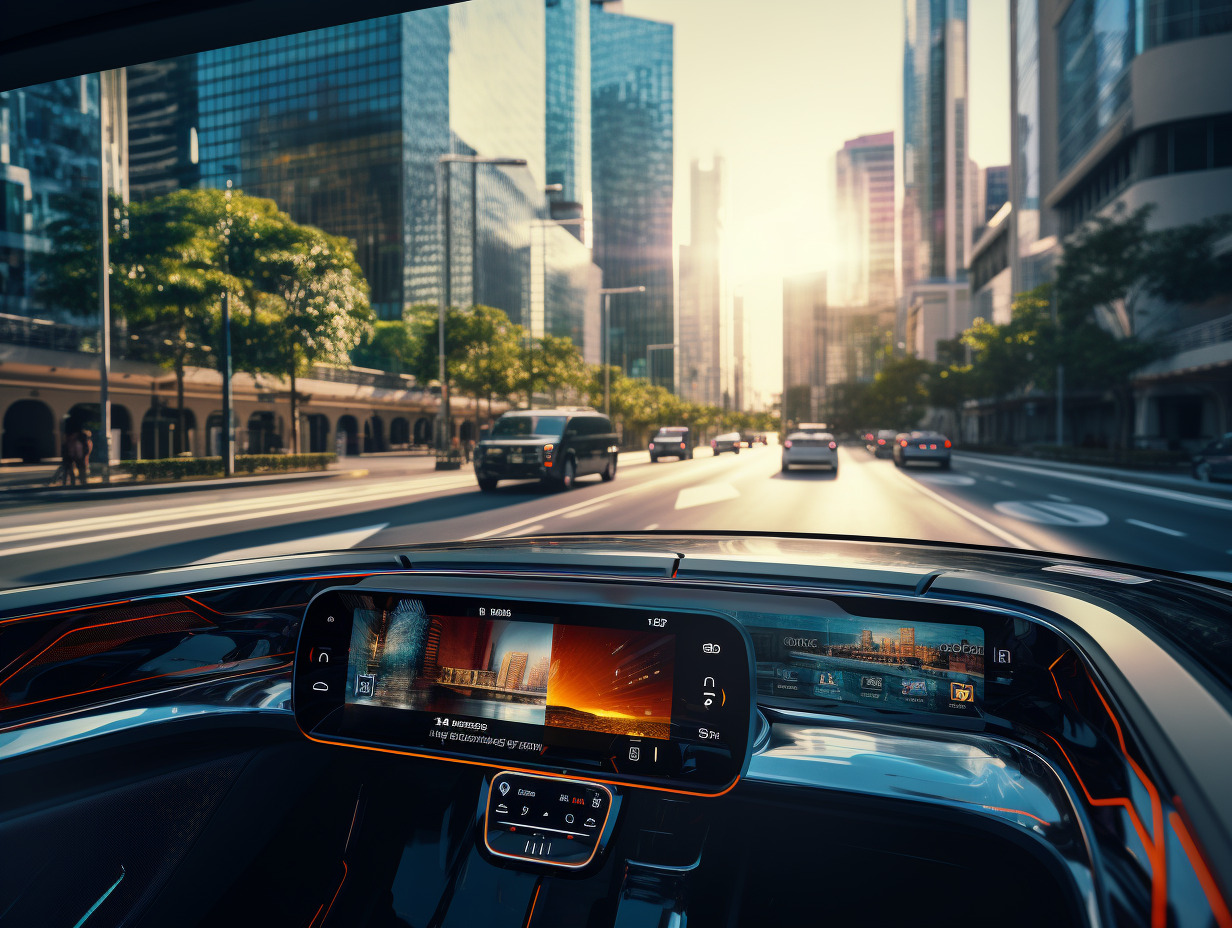
At the heart of the debates and laboratories, the autonomous car revolves around an indispensable duo: digital sensors and artificial intelligence. The former are the eyes and ears of the vehicle, collecting a wealth of crucial data for its navigation. Artificial intelligence, on the other hand, acts as the brain, processing this information to enable the automobile to react and adapt to its environment. This technological symbiosis, while promising, conceals countless challenges. How can we ensure the reliability of systems in extreme weather conditions? What response should be provided in the face of unforeseen events on the road?
The Society of Automotive Engineers (SAE) has developed a classification of automation levels, a now-global reference. This scale, ranging from 0 to 5, assesses the degree of human intervention required for the vehicle’s operation. Observe France, which, with a recently established legal framework, is preparing the ground for a controlled integration of these technologies within its territory. Elsewhere, players such as Volkswagen and General Motors are positioning themselves as pioneers, seeking to establish themselves as references in autonomous driving.
The question of ethics is also central to concerns. How should a vehicle’s reactions be programmed in the face of a moral dilemma? Road safety remains the central pillar of the pro-autonomous car argument, with the promise of significantly reducing accidents caused by human error. Mobileye, testing its robotaxi service in Paris, and Montreal, with its autonomous shuttles, are helping to outline a safer and more responsible mobility.
Practical aspects, such as maintenance and insurance, are also significant. Opteven, for example, offers mechanical breakdown guarantees tailored to the specifics of autonomous vehicles. The question arises: how to assess risks and determine responsibilities in the event of a technical failure? These inquiries, far from being anecdotal, are fundamental to ensuring a smooth transition to full autonomy of vehicles. Be aware that the driverless car is not just an evolution, but a profound revolution of our societies, involving a comprehensive and meticulous reflection on its implications.