
A refusal of adoption at a shelter does not imply a moral judgment on the adopter. The teams apply an evaluation grid that cross-references the animal’s profile, the proposed living conditions, and the legal obligations weighing on the shelter as a temporary holder. Understanding this mechanism helps to lift the blocks and often allows for a case to be represented that leads to a successful outcome.
Legal obligation of the shelter and responsibility of the holder
Shelters do not refuse out of excessive subjective caution. Article L214-1 of the Rural Code requires any holder not to place an animal in conditions that could compromise its health or safety. This obligation covers the conditions compatible with the biological imperatives of the species.
In practice, the shelter engages its legal responsibility with each placement. A dog placed in an apartment without suitable outdoor access, a cat given to a household where another unsocialized feline already occupies the territory: these situations expose the association to liability if the animal suffers harm. We observe that this legal dimension remains largely unknown to adoption candidates.
To better understand what a refusal from the SPA entails, it is necessary to distinguish the regulatory framework from simple internal policy. The former is non-negotiable, while the latter allows for some discussion.
Concrete criteria that trigger an adoption refusal at the SPA
Each shelter applies its own criteria, but certain reasons consistently recur. The SPA of Lyon publishes an explicit list of situations leading to refusal. Other structures operate with similar criteria without formalizing them.
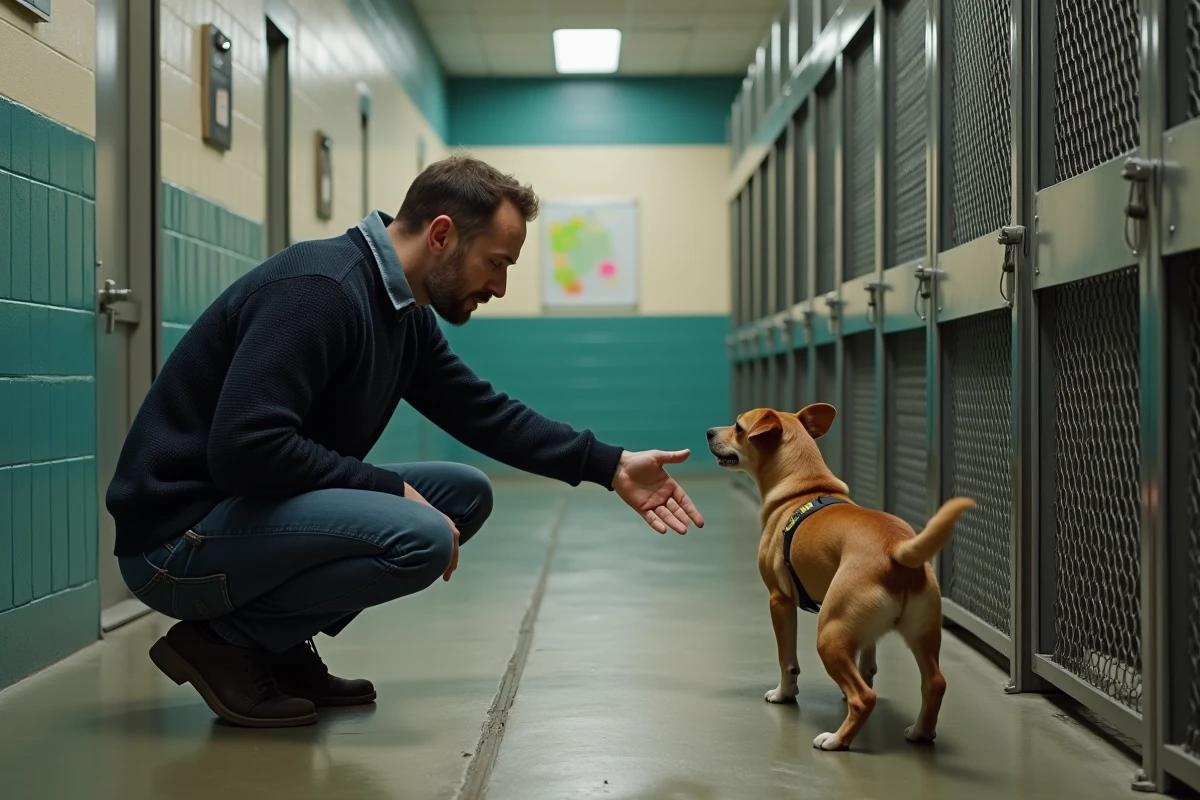
- Inadequate housing for the targeted animal: absence of a fenced garden for a wandering dog, unsecured balcony for a cat, insufficient space for a large animal or one with high exercise needs.
- Presence of young children combined with an animal that is fearful or reactive. The shelter assesses the risk of biting and quick return.
- History of returning an animal or concerning veterinary history (recent abandonment, death under unclear circumstances, lack of vaccination follow-up on a previous companion).
- Advanced age of the adopter compared to the animal’s life expectancy, without an identified backup solution. This criterion, often perceived as discriminatory, aims to prevent a second abandonment related to hospitalization or death.
- Impulsive adoption project detected during the interview: lack of consideration for the annual budget (food, veterinary care), ignorance of the species’ behavioral needs.
A technical point often goes unnoticed: the refusal concerns the adopter-animal pair, not the adopter alone. A candidate rejected for a reactive dog may be accepted for a sociable cat within the same shelter.
At-risk profiles identified since the increase in post-COVID abandonments
The post-COVID period has profoundly changed evaluation practices. Shelters have noted a marked increase in the abandonment of animals adopted during or just after lockdowns. This observation has led to formalizing the notion of at-risk profile in several structures.
The warning signals sought during the pre-adoption interview have become more refined. An adopter who mentions an imminent return to full-time office work without a care solution for an anxious dog will be directed towards a more independent animal. A family wanting a puppy “for the children” without dog experience will undergo thorough questioning about managing the first weeks.
We recommend not interpreting these questions as suspicion. They aim to reduce the return rate, which remains the primary source of suffering for the animal and exhaustion for shelter teams.
Steps after an adoption refusal at a shelter
A refusal is not necessarily final. The national SPA now trains its teams to offer alternative solutions rather than a flat refusal: guidance towards another more suitable animal, advice to secure housing, a reflection period before a second appointment.
Request a written explanation for the refusal
No legal obligation requires the shelter to provide a written explanation, but most agree to do so upon request. This document allows for precise identification of the blocking point and to work on it. A refusal related to the absence of a fence can be resolved by installing a barrier. A refusal related to the animal’s behavioral profile may disappear if the candidate turns to another resident.
Adapt your file and represent your application
Providing concrete evidence can tip the evaluation: photos of the housing after modifications, veterinary certificates for a previous animal, a letter from a close person designated as a backup in case of incapacity. A revised file with tangible elements is much more likely to succeed than a simple oral contestation.
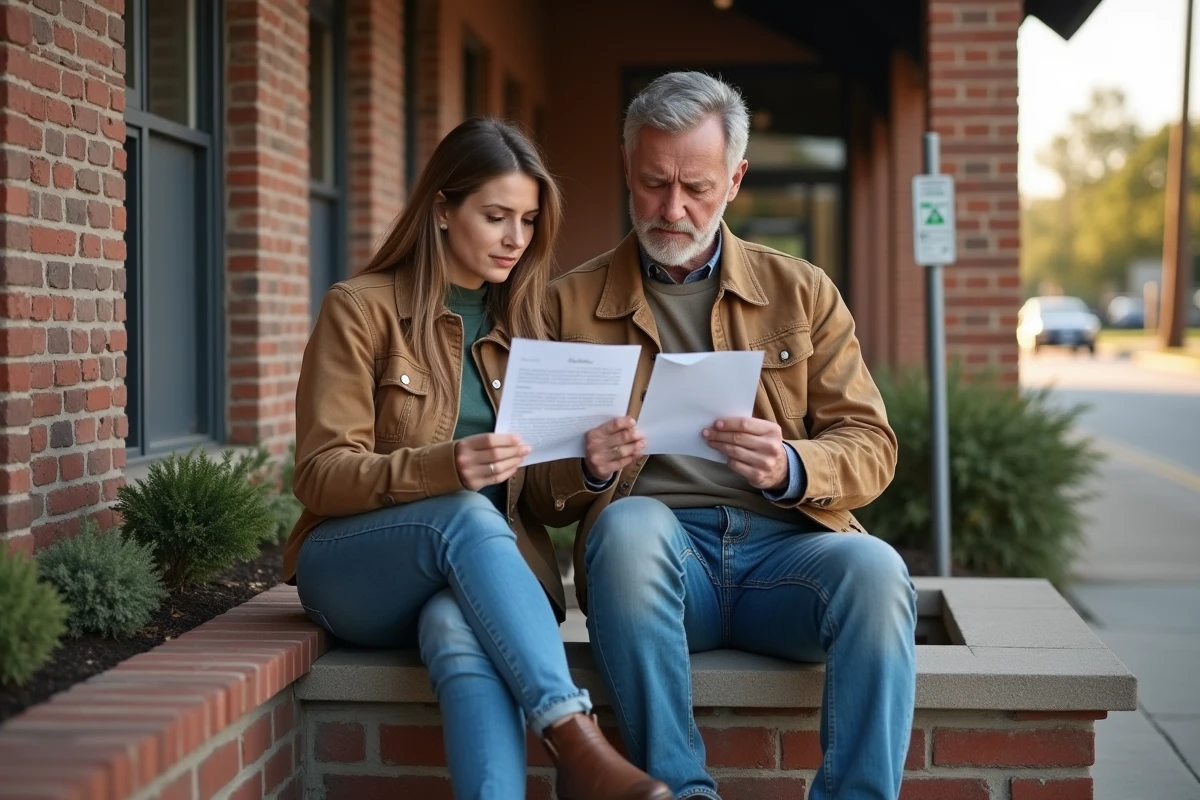
If the blockage persists in a specific shelter, there is nothing preventing you from applying to another structure. Independent shelters, local animal protection associations, and affiliated SPAs do not all apply the same criteria. Some shelters themselves direct candidates to structures with different criteria when they believe that the adoption project is sincere but incompatible with their own operations.
Resorting to the animal protection mediator or an association defending the rights of adopters remains marginal. In the vast majority of cases, direct dialogue with the shelter manager is enough to unlock the situation when the candidate provides factual answers to the points raised during the first interview.