
Powerade displays electrolytes, carbohydrates, and a promise of optimal hydration on its label. For a runner preparing for a 10 km or a half-marathon, the question deserves to be asked from the perspective of the available data: what does this drink actually contain, and under what conditions is its contribution justified compared to still water?
Powerade Composition vs. Water: What the Labels Reveal
| Criterion | Powerade (standard serving) | Still Water |
|---|---|---|
| Carbohydrates | Present (free sugars or sweeteners depending on the formula) | None |
| Sodium | Yes, dosed to compensate for sweating | Variable traces depending on the source |
| Other electrolytes (potassium, magnesium) | Yes, in moderate amounts | Negligible |
| Artificial sweeteners | Acesulfame-K, sucralose (depending on recent European formulas) | None |
| Calories | Variable, reduced in reformulated versions | Zero |
Since the expansion of taxes on sugary drinks in Europe, Powerade has been reformulated to reduce the content of free sugars and incorporate more sweeteners in certain markets. The Access to Nutrition Initiative, in its Global Index reports for 2021 and 2024, confirms this trend at The Coca-Cola Company.
The question that arises before a race is therefore not simply “Powerade or water,” but rather: do the duration and intensity of the effort justify a contribution of carbohydrates and sodium before the start? The choice to drink Powerade before a race directly depends on this parameter.
Duration of Effort and the Utility Threshold of an Isotonic Drink
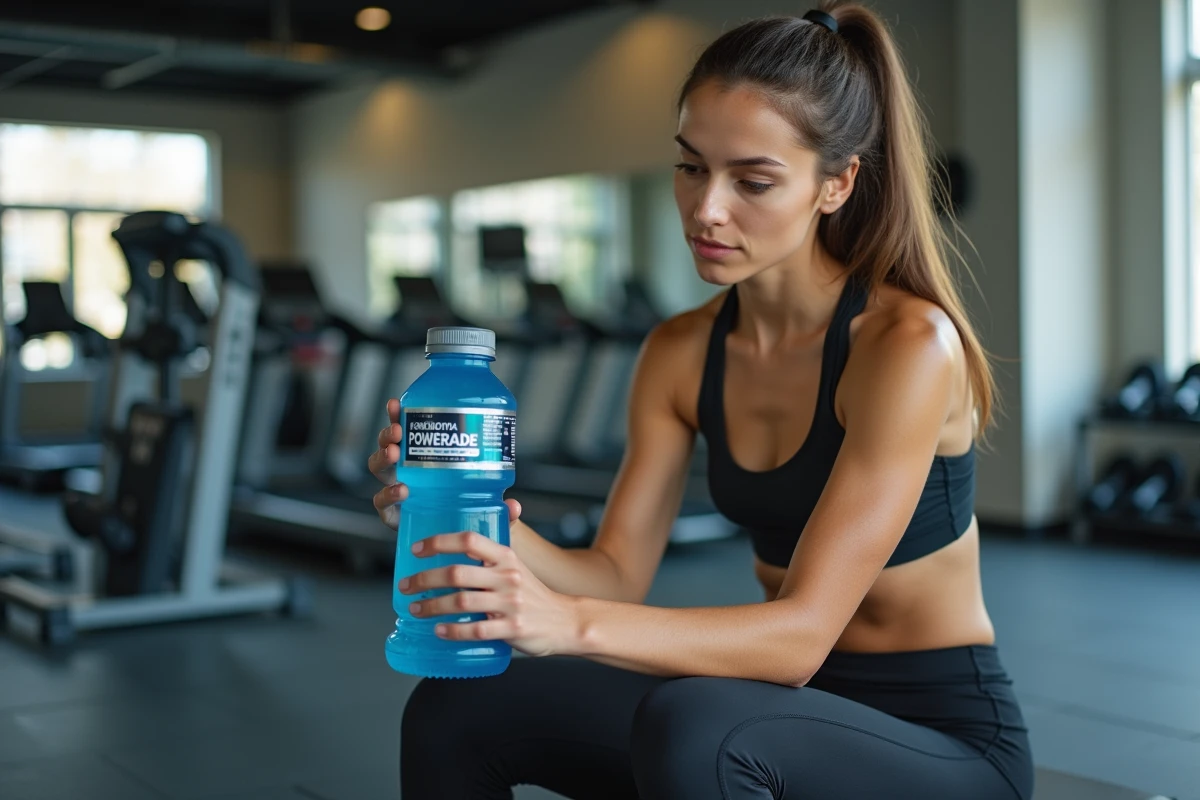
World Athletics published a position paper in 2023 on the nutrition and hydration of runners. The conclusion is clear: for efforts of less than about an hour, water is generally sufficient for recreational runners. Sports drinks only provide a measurable performance benefit for sessions that are long enough and intense enough.
This threshold of about an hour should be taken seriously. An amateur runner preparing for a 5 km or 10 km typically runs well below this duration. In this case, the carbohydrates in Powerade do not compensate for anything that muscle glycogen reserves cannot already provide.
When Sodium and Carbohydrates Become Relevant
Beyond an hour of continuous effort, sodium loss through sweating increases, and glycogen reserves gradually diminish. It is in this context that a drink containing sodium and carbohydrates makes sense: half-marathon for a slow runner, marathon, long trail.
On the other hand, consuming a sugary or partially sugary drink before a short effort amounts to adding calories without functional benefit. The text from World Athletics emphasizes the risk of “default” consumption of these drinks among amateur runners.
Digestive Risks and Individual Tolerance Before the Race
The main criticism directed at isotonic drinks consumed before effort concerns digestive tolerance. Several factors come into play:
- The osmolarity of the drink: a concentration that is too high in carbohydrates can slow gastric emptying and cause bloating or abdominal cramps during the race.
- The timing of consumption: drinking too much in the minutes before the start increases the risk of reflux, especially during high-intensity efforts.
- The presence of artificial sweeteners (acesulfame-K, sucralose): some runners report increased digestive sensitivity with these compounds, although tolerance varies greatly from person to person.
The basic rule in sports nutrition remains to never test a new product on the day of competition. Any hydration protocol with Powerade should be practiced during training, on sessions similar in duration and intensity.
Insulin Spike and Energy Drop
Versions of Powerade containing free sugars can cause a rapid rise in blood sugar followed by a drop. This phenomenon, often described as a “sugar crash,” can occur in the first minutes of the race if the drink is consumed too close to the start.
The reformulated versions with sweeteners limit this effect on blood sugar. The type of Powerade chosen therefore changes the game on this specific point.
Pre-Race Hydration: Protocol Adapted to the Runner’s Profile
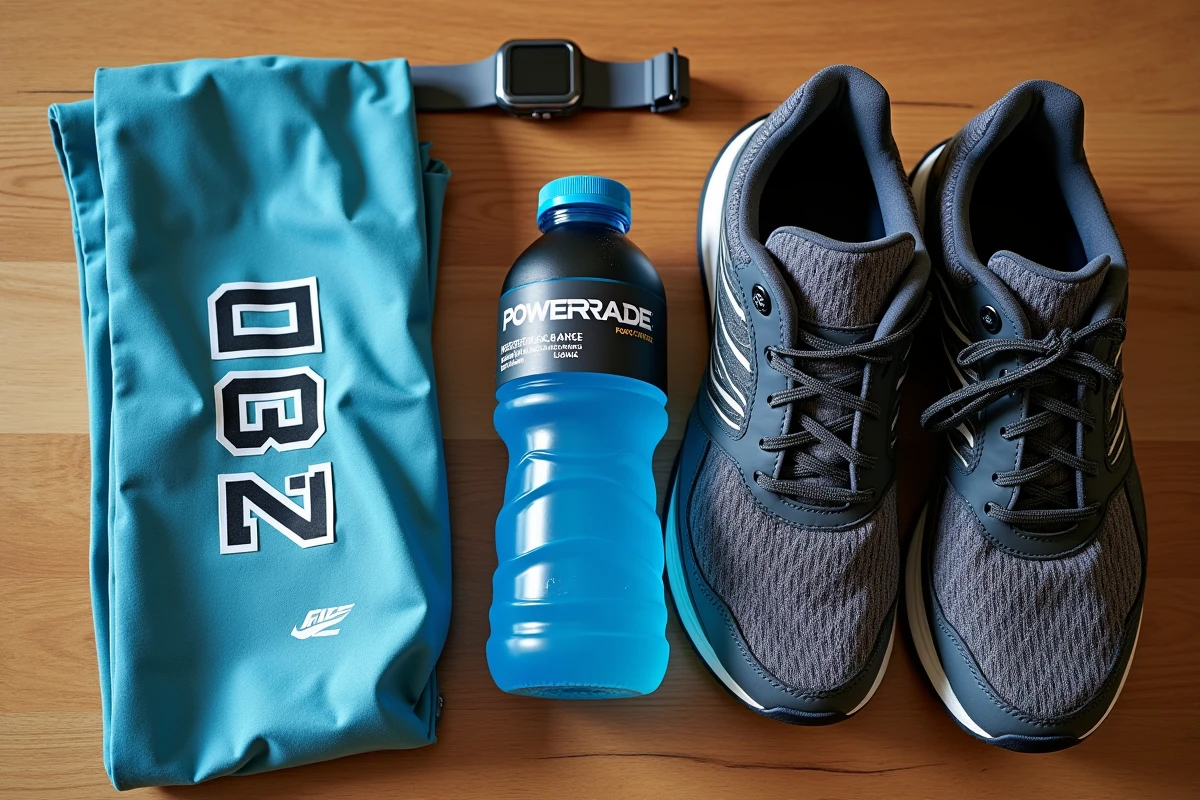
Rather than deciding between Powerade and water in a binary way, a coherent protocol relies on a few concrete parameters:
- Race of less than an hour and moderate intensity: still water is sufficient. Drink regularly in the two hours leading up to the start, in small sips, without excess.
- Race of more than an hour or in hot conditions: a drink containing sodium and carbohydrates may be justified. Consume it 30 to 60 minutes before the start, in small amounts, to limit digestive risk.
- Runner prone to gastric issues: test individual tolerance to Powerade during long training sessions before any use in competition.
- Monitoring dehydration: the color of urine remains the most reliable indicator of hydration level before the start. Clear urine indicates proper hydration.
Thirst itself is not always a reliable signal in a sports context, as it often appears when dehydration is already established.
Powerade occupies a specific place in the runner’s arsenal: that of a supplement for long efforts, not a systematic substitute for water. Recent reformulations reduce the sugar problem, but do not change the basic conclusion posed by World Athletics.
For the majority of training outings and short races, water meets the needs. Keeping Powerade for situations where electrolyte and energy loss exceeds what the body can provide alone remains the most coherent approach with the available data.